
The Isle of Man
Thirty-two miles of somewhere else

An hour's flight from most of Britain and nothing like it. The Isle of Man is its own small nation in the middle of the Irish Sea: its own parliament, its own language, its own cats and its own weather, all packed into an island you can drive across in forty minutes.
What that scale buys you is rare. Empty beaches in August. A mountain road with no speed limit. Ruined castles you'll have to yourself on a Tuesday and a coastline that changes character every few miles, from the sheer cliffs of the south to the low dune country of the Ayres.
A UNESCO Biosphere
The first entire nation in the world to be designated one. That covers the land, the sea and everyone who lives here.
Thirty-two miles by fourteen
Small enough to cross before lunch. Big enough that you'll keep finding new corners of it.
A coast path all the way round
The Raad ny Foillan, the Way of the Gull, loops the whole island and starts in Douglas.
Twenty-six dark sky sites
Officially designated stargazing spots, from Niarbyl to the Sound. Winter is the season for it.
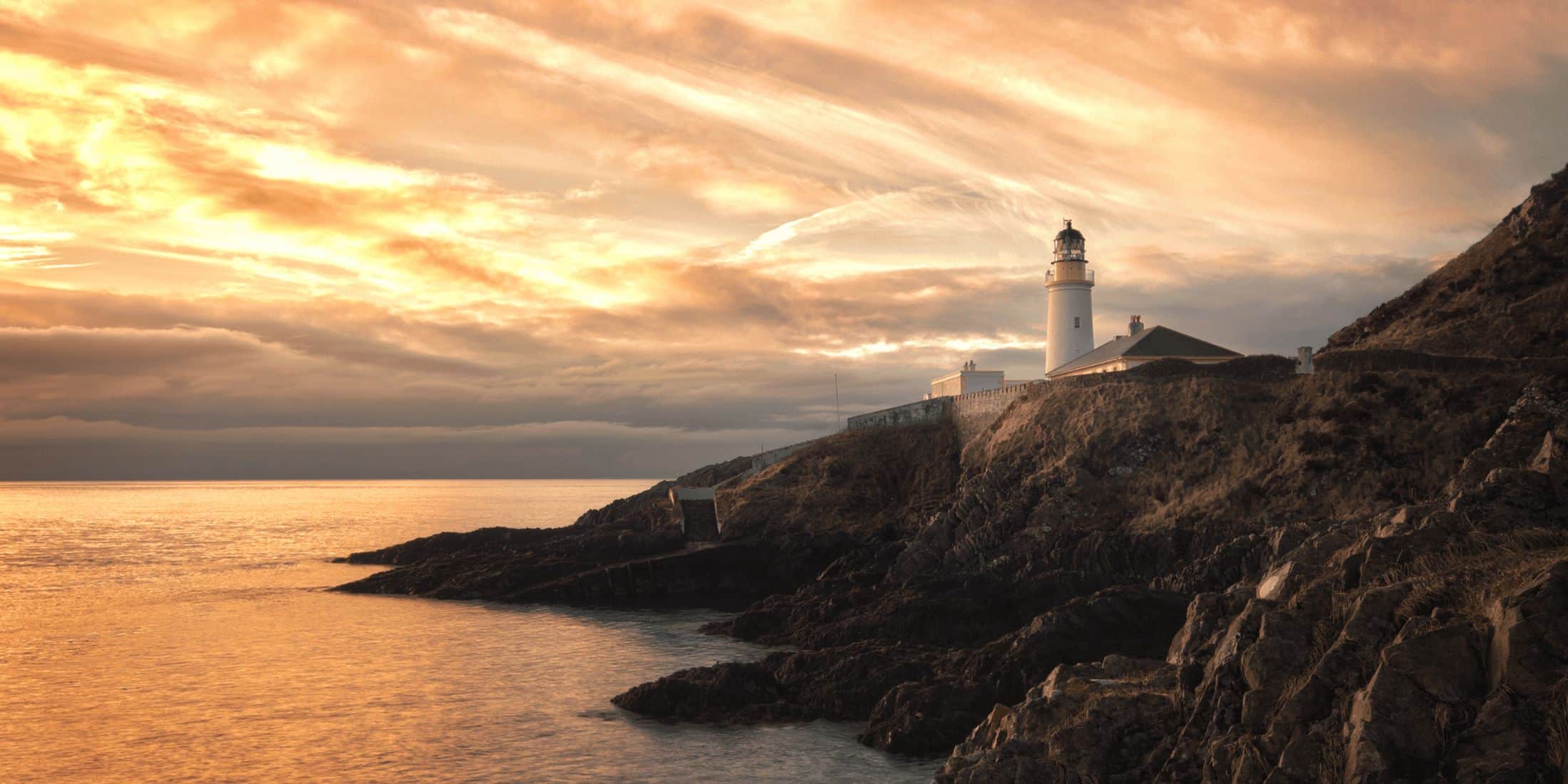
Where to start
Six things we would send you to
Not a list of everything. Just what we would tell a friend to do with their first few days here.
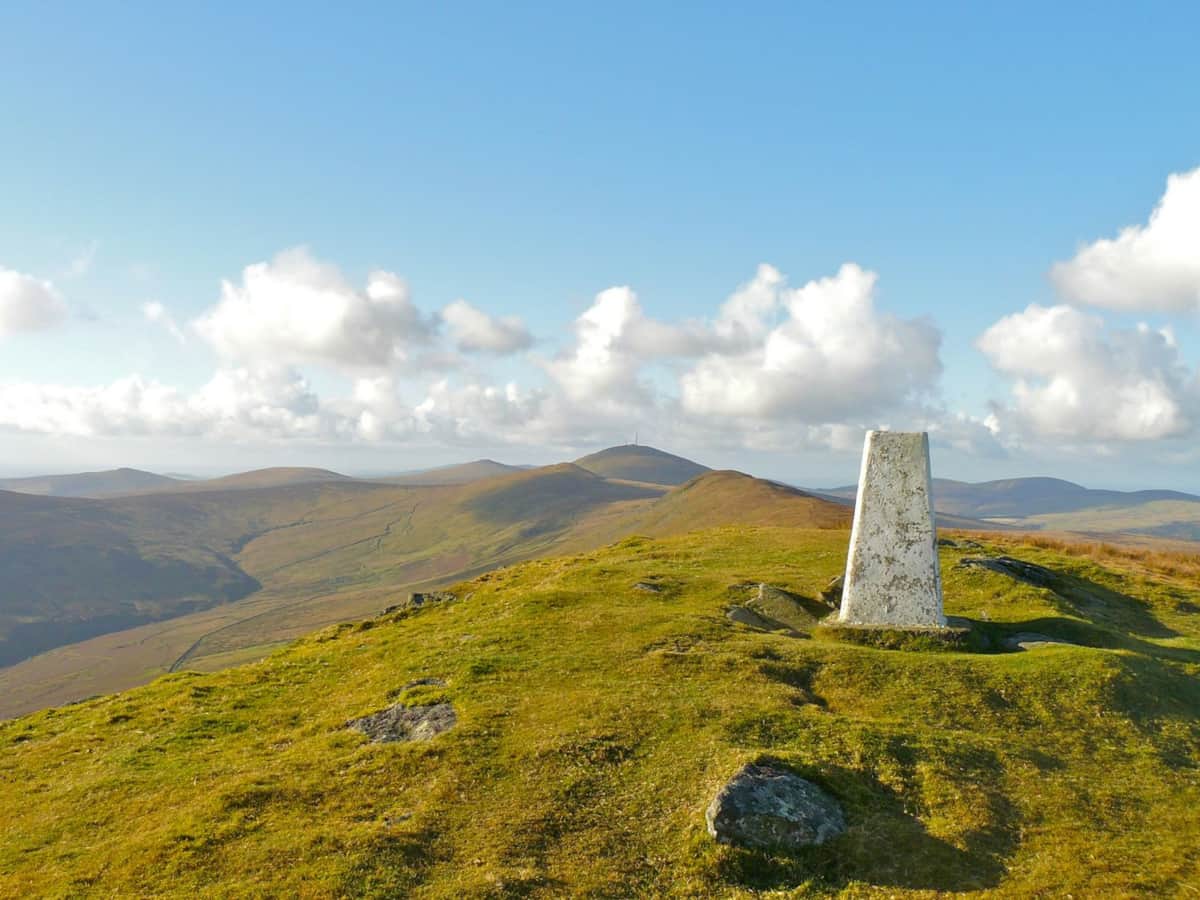
Snaefell
At 2,037 feet it is the highest point on the island. The old claim is that from the top you can see six kingdoms: Mann, England, Ireland, Scotland, Wales and Heaven. Walk it or take the Victorian electric railway to the summit.
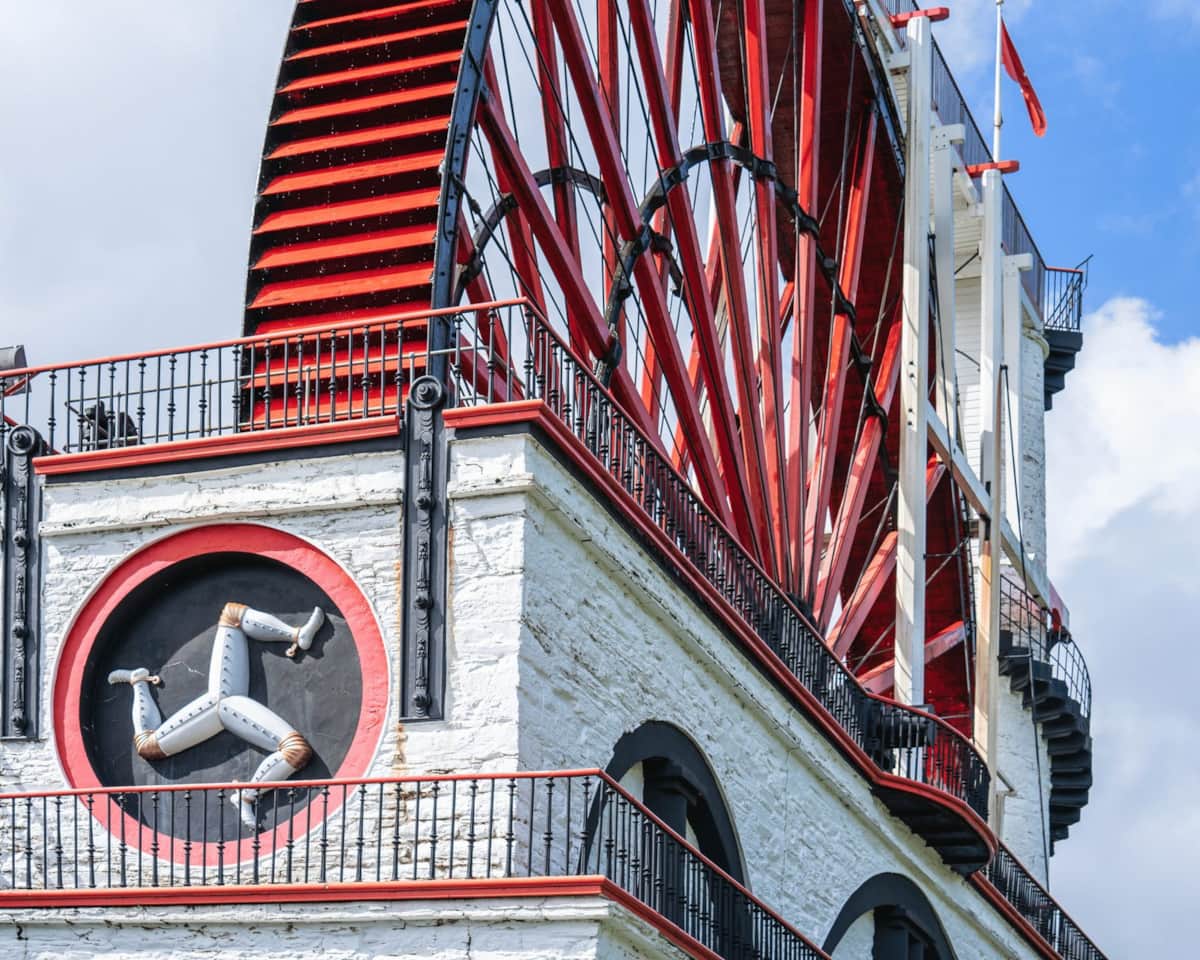
The Laxey Wheel
Lady Isabella: seventy-two feet across and still the largest working waterwheel on earth. Climb the spiral staircase to the top platform, then walk the glen up to the mines behind it.
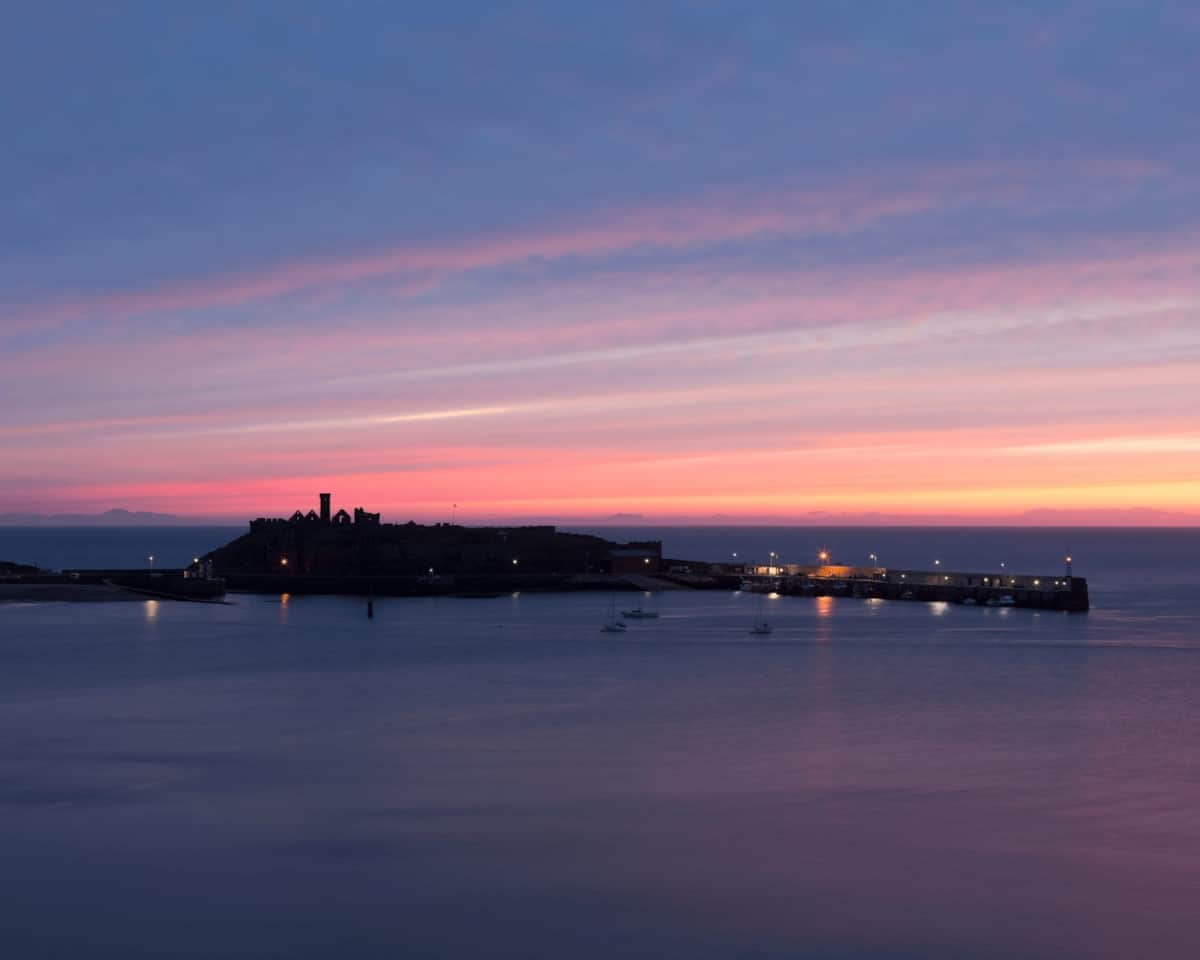
Peel at sunset
The west coast gets the good end of the day. Castle on its islet, kippers still smoked in the town and a beach that turns the colour of the sky. Bring chips and sit on the harbour wall.
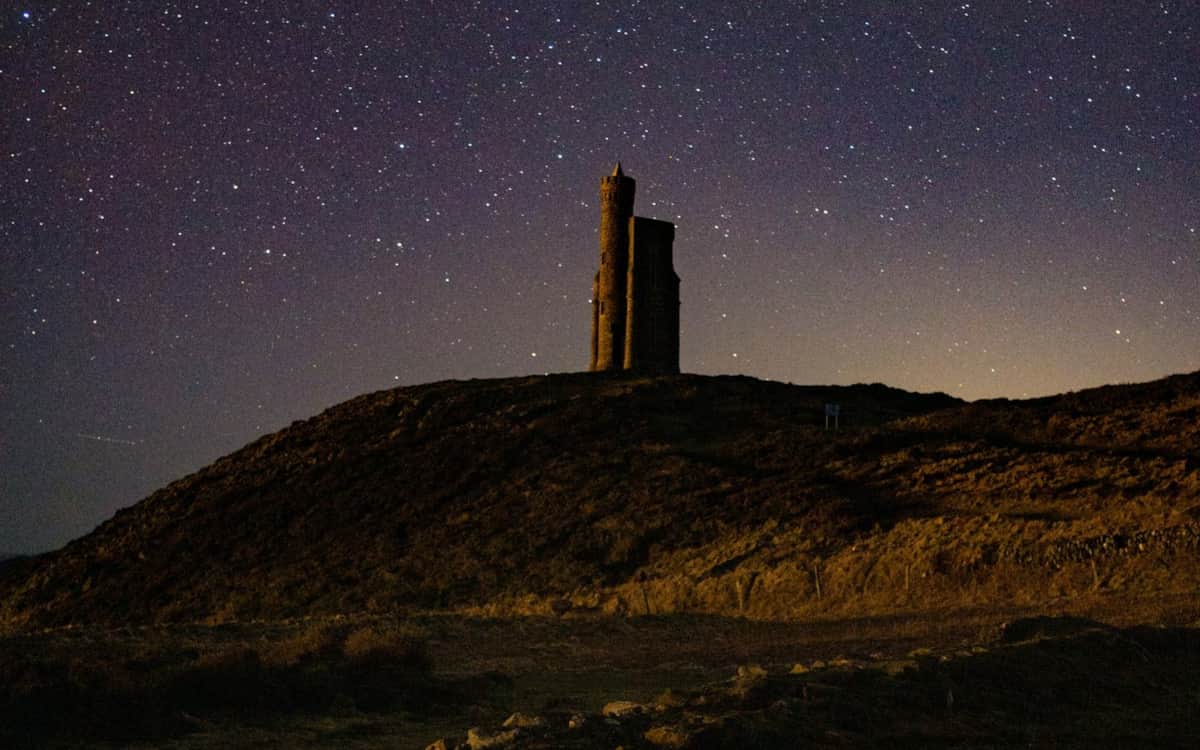
Dark skies
Twenty-six official dark sky sites and almost no light pollution to fight. Niarbyl, the Sound and Smeale are the easy wins. October to March, wrap up, look up.
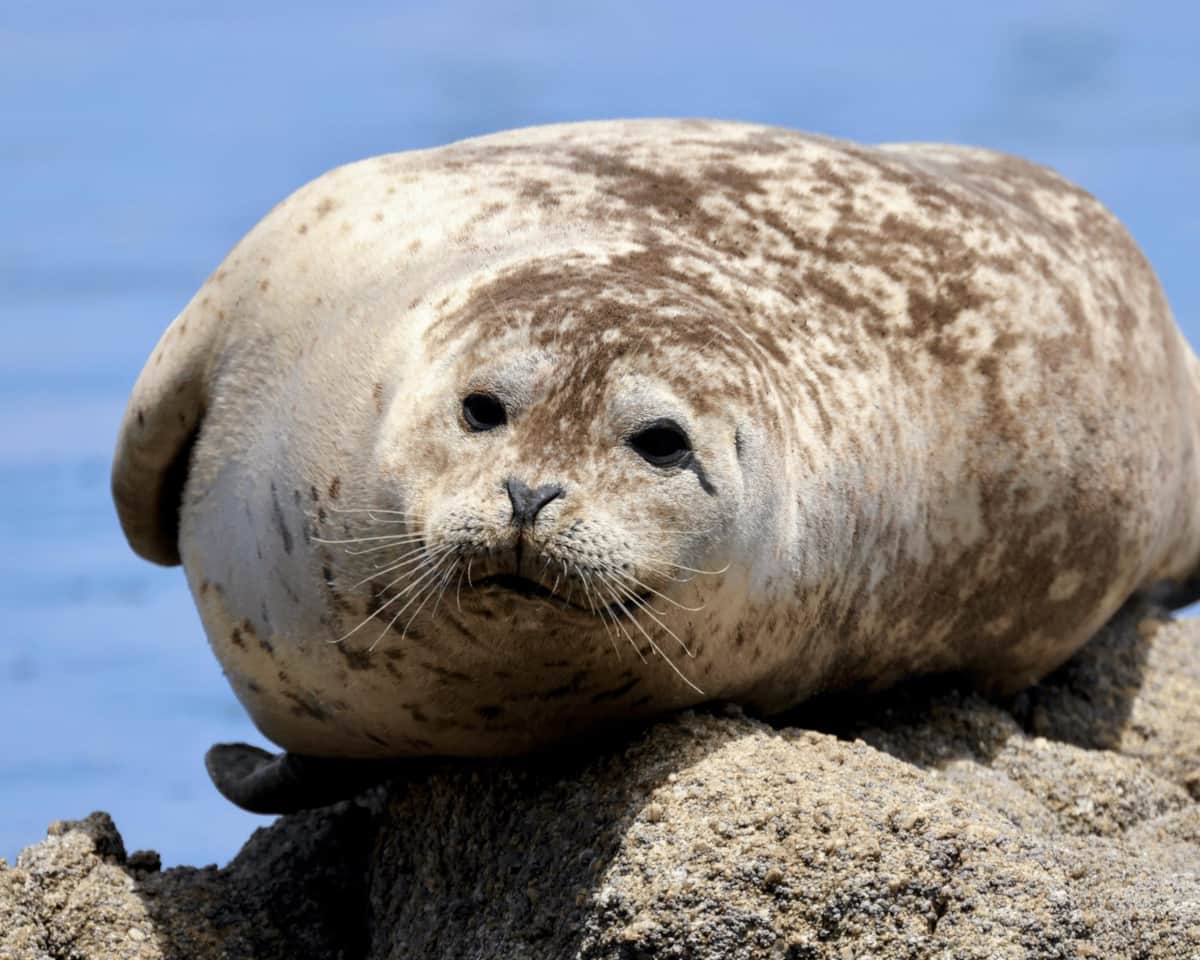
Seals, sharks and the Sound
The café at the Sound looks straight out at the Calf of Man and a colony of grey seals that couldn't care less about you.
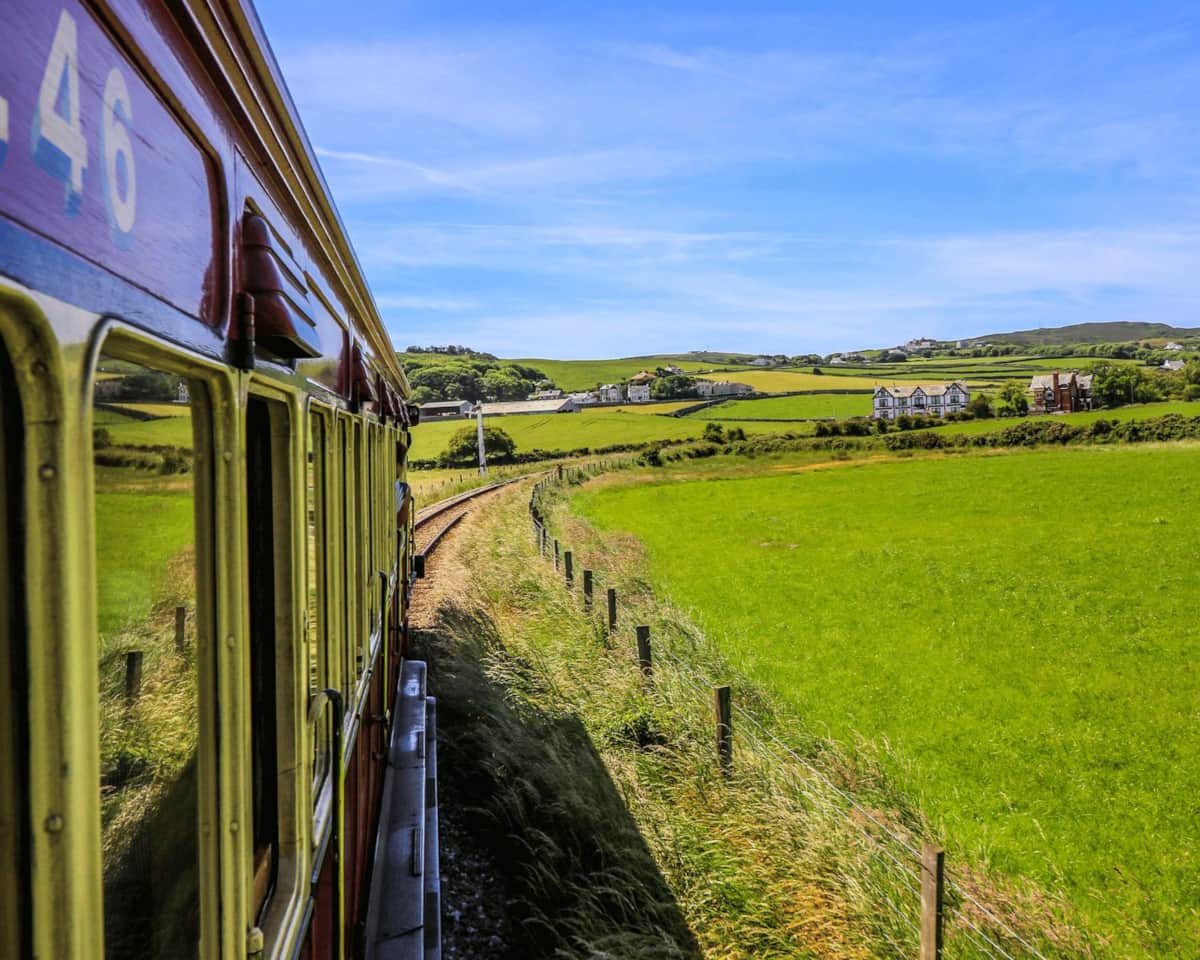
The heritage railways
Steam from Douglas to Port Erin, electric up the east coast to Ramsey, horse trams along the prom. Victorian transport still doing its actual job and the best way to see the island without driving.
When to come
Four seasons, four different islands
The island reads differently through the year. This is what each season is actually like, so you can pick the one that suits you.
March to May
Spring
Gorse turns the hillsides yellow and the glens come back to life. Quiet, cheap and green. It is the locals' favourite season and the best walking of the year before the bracken gets high.
June to August
Summer
Long northern evenings that stay light until ten. Beaches at Port Erin and Ramsey without the queues you'd get anywhere else. Basking sharks offshore in June. Book early. This is the season everyone wants.
September to October
Autumn
Warm sea, empty coast path, heather still going over on the mountain. Arguably the sweet spot, with summer weather, spring prices and the dark skies starting to come back.
November to February
Winter
Wild and worth it. Storm-watching from the south cliffs, fires lit by four o'clock and the clearest stargazing of the year. Come for a stay-in kind of holiday rather than a go-out one.
One date to plan around: the Isle of Man TT takes over the island for a fortnight from late May into early June and the Manx Grand Prix does something similar in late August. Extraordinary if you're coming for it and worth knowing about if you are not. Accommodation, ferries and roads all book up a long way ahead.
Getting here
Closer than you think
Forty-five minutes in the air from Liverpool. Around an hour from London. Or bring the car and sail into Douglas.
By air
Isle of Man Airport (IOM) sits at Ronaldsway in the south, twenty minutes from Douglas and ten from Castletown. Direct routes include:
- Liverpoolfrom 45 min
- Manchesterfrom 50 min
- London Gatwickfrom 1 hr 15
- Birminghamfrom 1 hr
- Dublinfrom 45 min
- Belfast Cityfrom 45 min
- Edinburghfrom 1 hr
By sea
The Isle of Man Steam Packet Company sails into Douglas, right in the centre of town. Take the car and the island opens up properly.
- Heyshamfrom 3 hr 45
- Liverpoolfrom 2 hr 45
- Belfastseasonal
- Dublinseasonal
Sailing times vary by route and vessel. Book vehicle space early for summer weekends and race fortnight.
Money
Manx notes and coins circulate alongside sterling at par. Spend them before you leave; they are not accepted on the mainland.
Getting about
Hire a car if you want the glens and the mountain road. The railways and buses cover the towns well on their own.
Passports
The island is inside the Common Travel Area, so no passport is needed from the UK or Ireland. Airlines still want photo identification.
Weather
Four seasons in a day is not a joke here. Bring a waterproof whatever the forecast says.
Explore the island
Four quarters, four different holidays
The island changes character every few miles. Pick the corner that suits the trip and we will show you what is there.
The South
Castletown, Port Erin and Port St Mary. Castles, cliffs and the calmest water on the island.
What to do →The North
Ramsey, Ballaugh and the Ayres. Big skies, empty beaches and the island's only wilderness.
What to do →The West
Peel and Niarbyl. The sunset coast, a castle on an islet and kippers smoked over oak.
What to do →The East
Douglas, Onchan and Laxey. The capital, the great wheel and Victorian railways still running.
What to do →Ready when you are
Find the stay that fits the trip
Every home in the collection is visited, inspected and looked after by people who live on the island.